ABUJA, 1 SEPTEMBER 2026
For years, many Nigerians with cancer or complex illnesses had one option: book a flight abroad. Today, that story is changing.
Inside the Nigeria Sovereign Investment Authority, NSIA, the idea was simple but bold. Use long-term investment to build healthcare in Nigeria that is both affordable and good enough to keep patients at home. The result is NSIA Advanced Medical Services, or MedServe.
The first big test came in Lagos. In May 2019, the MedServe–LUTH Cancer Centre opened its doors. It was the first facility in Nigeria to offer 3D Conformal Radiotherapy. Today it has the largest collection of radiotherapy equipment in West Africa.
Then COVID-19 hit. Borders closed. Flights stopped. For cancer patients, that could have meant the end of treatment. Instead, the Lagos centre stayed open. Doctors and machines kept working. For many families, it was the difference between hope and despair.
The numbers tell the story. Since it opened, the Lagos centre has delivered more than 25,000 radiotherapy sessions and 10,000 chemotherapy treatments to about 15,000 patients. Some patients who started treatment abroad are now being referred back to Lagos because care here is cheaper and just as good.
NSIA did not stop at Lagos. It built two more diagnostic hubs, one in Kano and another in Umuahia. By the end of 2025, over 410,000 people in those regions had accessed advanced radiology and pathology services that were once hard to find outside major cities.
The impact goes beyond machines. Treatment at these centres costs less than half of what it would abroad. NSIA estimates Nigeria has saved more than 200 million dollars in foreign exchange that would have gone to overseas hospitals. More importantly, skills are staying in the country.
To keep that going, MedServe is investing in people. It runs an annual Oncology Summit, trains doctors, and partners with global institutions like Memorial Sloan Kettering and the University of Maryland. Nigerian centres are now part of international cancer trials for breast and prostate cancer.
The next chapter is expansion. NSIA plans to build 13 new diagnostic centres, three more cancer centres, and three cardiac labs across 13 states. From Sokoto to Delta, from Yobe to Oyo, the aim is to bring specialist care closer to where people live. A 24.3 million dollar financing deal with the IFC and World Bank’s IDA will help fund it.
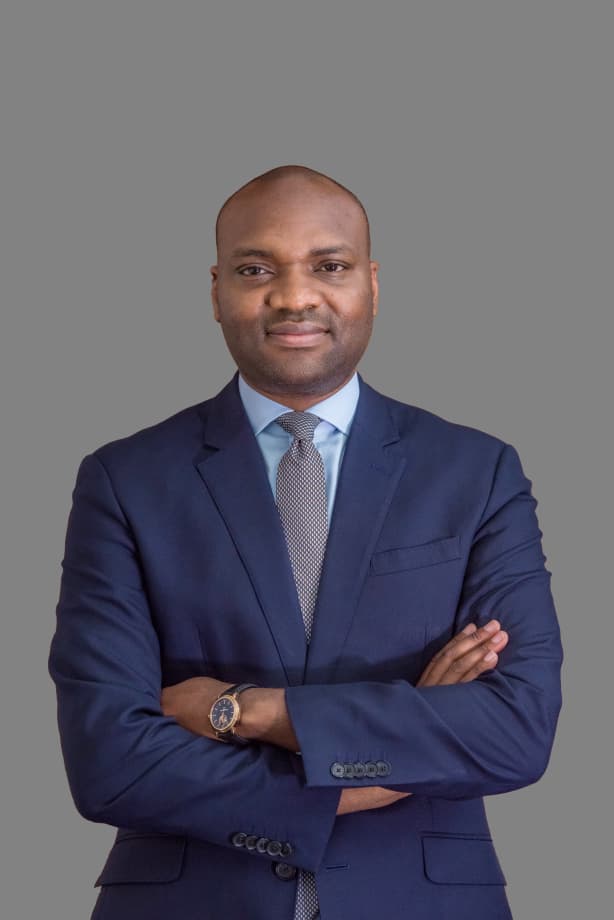
According to NSIA Chief Executive, Aminu Umar-Sadiq, the goal is not just buildings. “It is to show that world-class, dignified healthcare can be built, run, and sustained in Nigeria,” he says. From mid-2026, new centres will begin to open. For NSIA, success will be measured not in concrete, but in lives saved, skills retained, and a health system strong enough to serve the next generation.