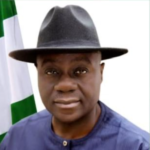
ABUJA, NIGERIA – The General Manager, Gas Commercial at the Niger Delta Power Holding Company Limited (NDPHC), Bashiru Bello Adoke, says Nigeria cannot achieve industrialisation without a reliable electricity supply.
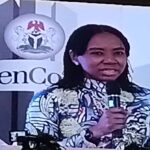
Speaking at a recent engagement, Adoke said President Bola Tinubu’s vision of building a one-trillion-dollar economy would require an industrialised economy supported by a stable power sector.
He stressed that gas was essential to achieving reliable electricity supply, noting that most of Nigeria’s power plants currently depend on gas to generate electricity. However, he said while Nigeria has gas in abundance, the availability of gas alone was not enough, as power plants must also be operationally ready to generate electricity.
Adoke identified inadequate payment mechanisms for gas supply and insufficient investment in gas development as two major challenges confronting the power sector. He explained that gas production requires substantial financing and that occasional government interventions would not provide a sustainable solution to the funding challenge.
He further said Nigeria could not rely solely on associated gas for consistent power generation, as its availability is affected by challenges such as pipeline vandalism and other operational disruptions. According to him, increased investment in non-associated gas is necessary to guarantee adequate and reliable supply, but significant investment in that area has yet to take place.
The NDPHC official acknowledged that the Federal Government’s Executive Order on the oil and gas sector had supported the development of associated gas. However, he noted that oil companies were less incentivised to invest in non-associated gas because of the substantial financial commitment required for exploration and development.
He argued that leaving gas development entirely in the hands of private investors would not address the challenges, insisting that the government must commit resources to the sector and strengthen the entire gas value chain, including production and distribution. He maintained that the major challenge was not the availability of gas but the payment system, adding that government indebtedness had affected payments for gas supplied to power generation companies.
Adoke, however, noted that Nigeria still had gas available for domestic consumption and continued to generate revenue from gas exports through existing supply agreements.
On the growing adoption of solar energy, he said high electricity tariffs had pushed consumers who could afford alternative energy sources towards solar power. He expressed concern about the possible implications for the national grid if more Nigerians eventually abandoned it for solar energy.
He therefore called for a review of existing electricity policies and the introduction of measures to make electricity more affordable and accessible to Nigerians.



Abuja’s number one hit music and talk radio station. Broadcasting 24/7 on 99.9FM across the Federal Capital Territory and streaming live worldwide.
© KissFM 99.9 All rights reserved.