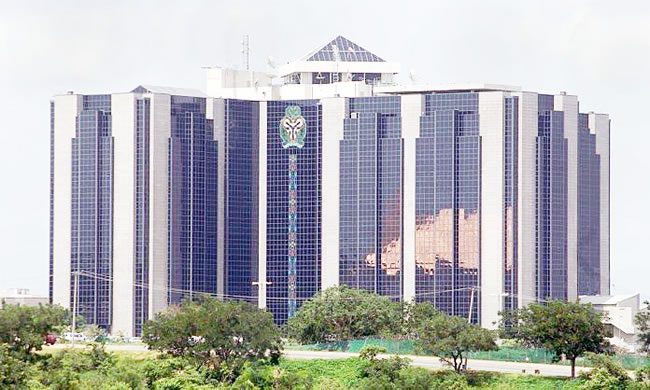
Nigeria’s external reserves have climbed above 52 billion dollars for the first time in more than 17 years. Data from the Central Bank of Nigeria shows the country has also surpassed its 2026 target, buoyed by stronger oil earnings, improved exports, and renewed foreign capital inflows.
According to CBN figures published for 20 July, external reserves stood at 52.02 billion dollars. That is higher than the bank’s full-year projection of about 51.04 billion dollars. It is also the highest level recorded since January 2009, when reserves reached roughly 52.01 billion dollars.
The reserves rose by about 570 million dollars from 51.45 billion dollars at the end of June. The upward trend has been steady over the past three months. In June alone, reserves grew from 49.58 billion dollars at the end of May to 51.45 billion dollars, before crossing the 52 billion dollar mark in July.
Analysts attribute the improvement largely to three factors: higher crude oil receipts, stronger export performance, and increased foreign investment inflows. The combination has helped rebuild Nigeria’s external buffer after years of pressure.
The milestone comes days after the CBN concluded its Monetary Policy Committee meeting on 20 and 21 July. Policymakers kept the benchmark Monetary Policy Rate unchanged at 26.5 percent. The Cash Reserve Ratio also remained at 45 percent for commercial banks and 16 percent for merchant banks.
The central bank maintained its standing lending and deposit facilities corridor at plus 50, minus 450 basis points around the policy rate. The reserve requirement for non-TSA public sector deposits stayed at 75 percent. The MPC also noted that headline inflation eased slightly to 15.91 percent in June from 15.93 percent in May.
A stronger reserve position gives the CBN greater capacity to support exchange-rate stability, meet external obligations, and cushion the economy against global financial shocks. The figures also reinforce signs that recent macroeconomic reforms are helping to restore investor confidence after years of foreign exchange shortages.
Whether reserves remain above the 52 billion dollar mark will depend on how sustainable oil revenues, export growth, and foreign investment inflows are in the coming months. For now, the CBN says the trend reflects renewed confidence in Nigeria’s economic direction.

Abuja’s number one hit music and talk radio station. Broadcasting 24/7 on 99.9FM across the Federal Capital Territory and streaming live worldwide.
© KissFM 99.9 All rights reserved.