The National Pension Commission (PenCom) is intensifying efforts to expand pension coverage among self-employed individuals and informal sector workers through the Personal Pension Plan (PPP), a voluntary retirement savings scheme designed to promote financial security among Nigerians outside the formal employment sector.
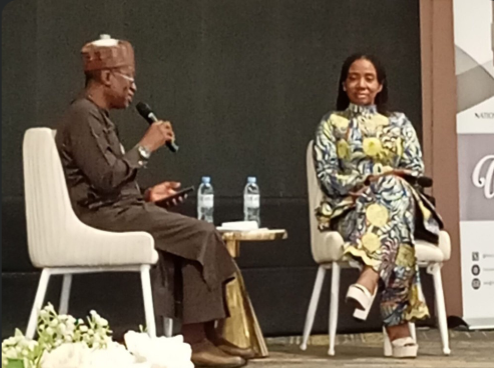
This was revealed in a presentation by the Director General of the Commission, Omolola Oloworaran at the 2026 Annual PenCom Media Conference in Abuja in preparation for the National Pension Week.
Introduced under Section 2(3) of the Pension Reform Act (PRA) 2014, the PPP seeks to address the retirement savings gap among workers in an informal sector characterised by irregular incomes, limited organisation and the absence of coordinated social security arrangements.
The scheme is open to Nigerians aged 18 and above, including professionals, traders, artisans, farmers and gig workers. It also accommodates formal sector employees through their existing Pension Fund Administrators (PFAs), retirees, exempted persons, non-Nigerian contributors and children under 18 who are voluntarily registered by their parents or guardians.
Registration requires a National Identification Number (NIN) and a phone number, with prospective contributors able to enrol directly through any PFA or an Accredited Pension Agent.
Contributions can be made daily, weekly, monthly or at the contributor’s convenience through approved payment channels, including mobile money, USSD and direct bank transfers.
Under the scheme, 50 per cent of contributions may be withdrawn three months after the initial contribution and subsequently once every two months, while the remaining 50 per cent is reserved for retirement benefits and becomes accessible from age 50 or earlier in cases of medical incapacitation.
Benefits may be received through programmed withdrawals or a one-off withdrawal of the Retirement Savings Account balance, while funds are transferred to a named legal beneficiary in the event of the contributor’s death.
The PPP is designed to encourage a consistent savings culture, improve the financial independence of retirees and provide a regular stream of retirement benefits.
However, expanding access has not automatically translated into active participation, as affordability, irregular earnings, limited digital literacy, distance from pension institutions, distrust and the preference for readily accessible funds continue to pose challenges.
Without sufficient incentives to sustain contributions, some accounts may remain inactive after registration.
To address these barriers, PenCom’s proposed inclusion strategies include targeted financial literacy campaigns in local languages, simplified digital registration through mobile applications, USSD and online portals, and partnerships with government agencies, non-governmental organisations and development partners.
Community, market and faith leaders, as well as radio, television and social media, are also identified as channels for raising awareness. Other measures include seasonal contribution options and greater awareness of Sharia-compliant pension plans.
Accredited Pension Agents are expected to support enrolment in underserved and rural communities, facilitate transactions through Commission-approved channels and promote financial literacy, helping more Nigerians build retirement savings despite irregular incomes.


Abuja’s number one hit music and talk radio station. Broadcasting 24/7 on 99.9FM across the Federal Capital Territory and streaming live worldwide.
© KissFM 99.9 All rights reserved.