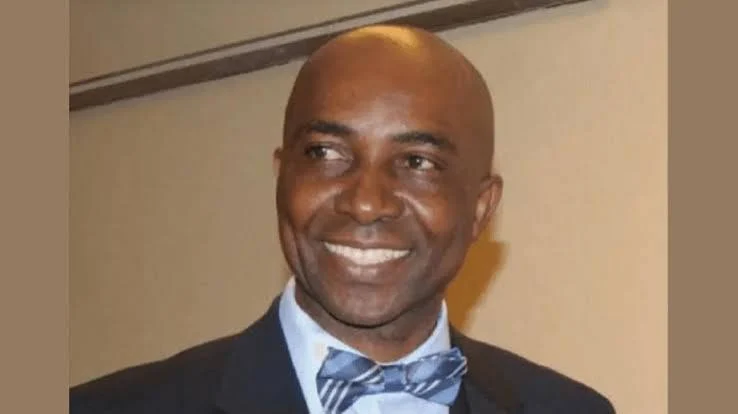
The Tax Ombud and Chief Executive of Nigeria’s Office of the Tax Ombud, Dr. John Nwabueze, has warned tax and revenue authorities against arbitrary assessments, overlapping levies and inconsistent enforcement, saying such practices erode public trust and weaken voluntary tax compliance.
Nwabueze said fairness, transparency and accountability must guide Nigeria’s ongoing tax reforms, noting that success will depend not only on good laws but on fair implementation.
He spoke at a stakeholders’ engagement forum themed “Promoting Fairness in Tax and Revenue Administration in Nigeria” held in Abuja at the weekend.
He said taxpayers are more likely to comply voluntarily when they are treated fairly, understand their duties and have access to impartial complaint resolution. He said administrative actions seen as arbitrary can damage confidence in the tax system.
“Fairness should not be treated as a concession to taxpayers but as a fundamental requirement for sustainable revenue,” he said.
Nigeria’s new tax reforms, which started in January 2026, are aimed at simplifying compliance, boosting revenue, supporting eligible small businesses and promoting transparency and accountability.
Nwabueze commended President Bola Tinubu for pursuing tax reforms under the Renewed Hope Agenda and acknowledged the contributions of the Minister of Finance and Coordinating Minister of the Economy, Taiwo Oyedele, and other stakeholders.
He said the creation of the Office of the Tax Ombud under the Joint Revenue Board of Nigeria (Establishment) Act, 2025, is a major step in protecting taxpayers’ rights and strengthening accountability in tax administration.
According to him, the office is mandated to promote lawful, reasonable, transparent and fair administrative processes and to encourage dialogue and institutional accountability.
He said the office has made progress in developing a digital complaints management system, building stakeholder partnerships, advancing taxpayer education and setting up a dedicated call centre.
He said the priority now is to expand access to the office, strengthen its capacity and ensure taxpayers know where to seek help when they face administrative difficulties.
Outlining five pillars for fair tax administration, he listed equity and proportionality, procedural justice, professional and respectful treatment, transparency and accountability, and protection of vulnerable taxpayers.
He said tax obligations must be applied consistently and proportionately, and that exemptions and reliefs provided by law, especially for eligible small businesses, must be communicated and respected.
He also called for transparent procedures that give taxpayers fair opportunity to present complaints and receive impartial consideration according to law. He said decisions must be properly explained with clear channels for redress.
On vulnerable taxpayers, he said small businesses, individual taxpayers and persons with limited access to information should be able to understand their obligations and seek redress without difficulty.
He clarified that protecting vulnerable taxpayers does not mean exempting them from lawful taxes, but ensuring that such taxes are administered fairly and without avoidable burden.
He said the office is working on a Taxpayer Charter that will explain rights and responsibilities in simple language, including English, Hausa, Igbo, Yoruba and Nigerian Pidgin.
Nwabueze urged tax and revenue authorities to apply the law consistently, communicate decisions clearly and treat taxpayers with dignity, saying accountability will strengthen institutional credibility rather than hurt revenue collection.
He said translating fairness principles into practical improvements in taxpayers’ daily experiences is key to building public confidence and ensuring that Nigeria’s tax reforms deliver sustainable results.



Abuja’s number one hit music and talk radio station. Broadcasting 24/7 on 99.9FM across the Federal Capital Territory and streaming live worldwide.
© KissFM 99.9 All rights reserved.